Tag Archives: featured

Global Learning Exchange: What is Community?

Victoria University and the University of Texas El Paso:
Global Learning Exchange

Over a period of four weeks students from Victoria University Bachelor of Youth Work and University of Texas El Paso University Studies have engaged in a global learning exchange. The focus of this exchange has been ‘what is community?’ Students photographed examples of local spaces in Melbourne and El Paso and engaged in discussions via live video conferences about why these images represent community. This exchange has been supported by an Office of Teaching and Learning grant (OLT). This site is the beginnings of a virtual museum space that will grow over time.

Scroll down to see a selection of images and text that explore community.

Dr Karen Charman


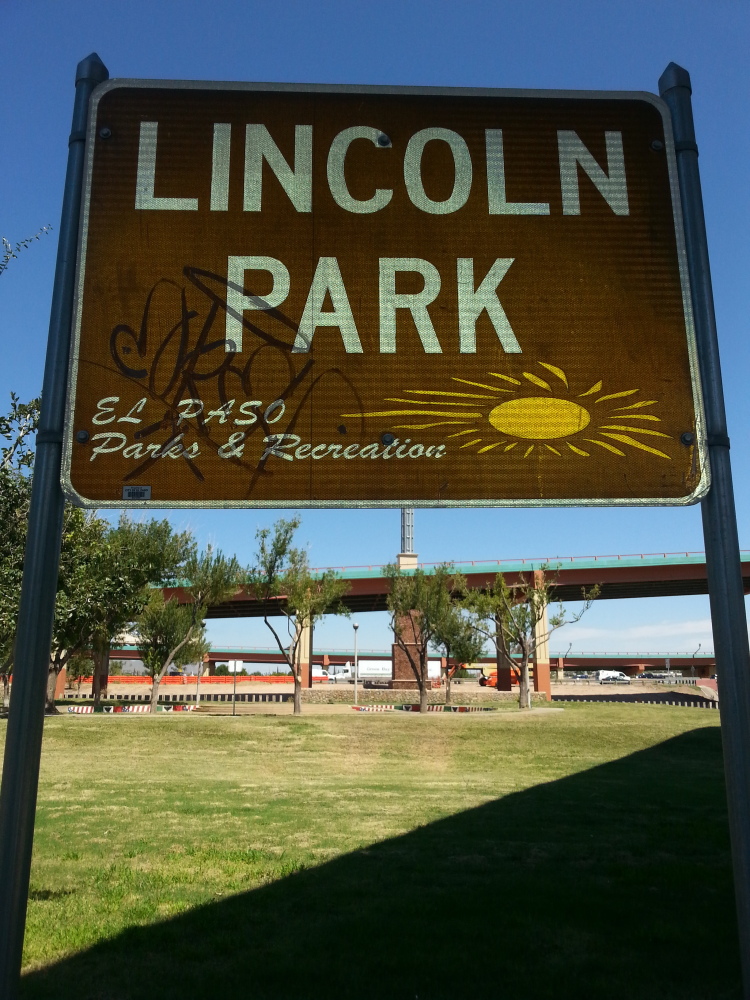
Lincoln Park

Photography and text by Carlos Chavarria
20150914_120145

HuelgaLincolnPark

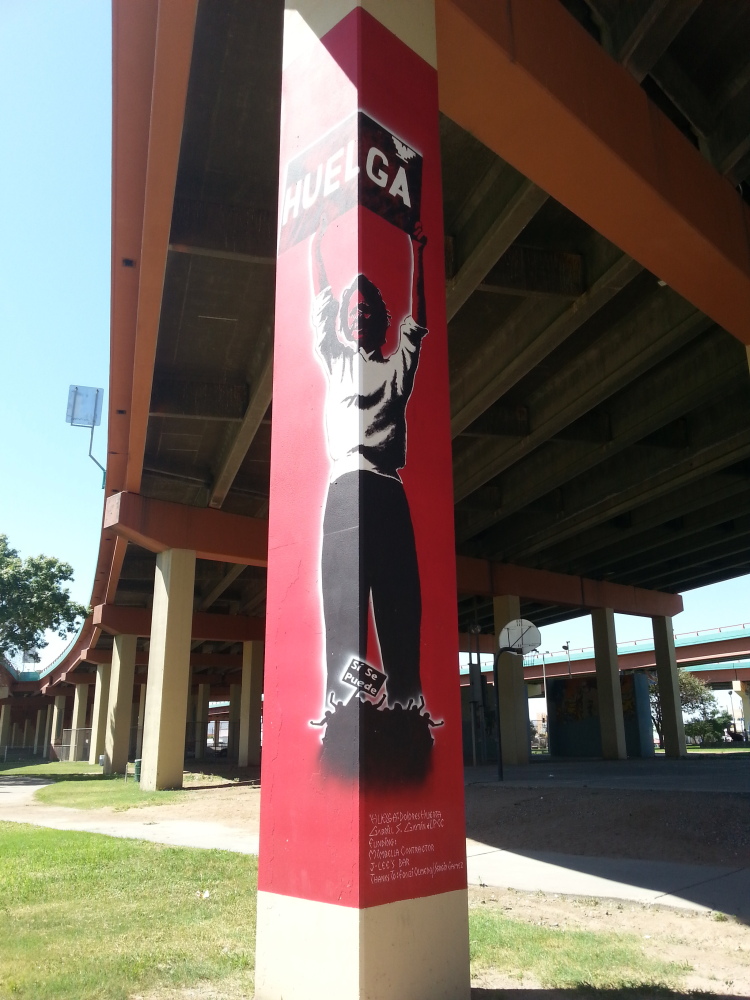
This is Lincoln Park. Located under a freeway, this park consists of different murals and artwork by various artists. There are also basketball courts and a playground. Lincoln Park is situated close to what was once Concordia, which was the site of the first Mexican community north of the Río Grande.

The second photo is titled “Huelga” and represents the struggle in which Mexican American farmers and fieldworkers faced while fighting for their rights. “Huelga” translates to “strike” in English and was widely used as a form of protest. Workers would shout “huelga” while striking and marching. Cesar Chavez, a Mexican American field worker led this movement.

Lincoln Park is really the heart of El Paso when it comes to community and connecting the different peoples within the city.


The Palais Theatre

Photography and text by Deanna Senn
PalaisInterior

PalaisTheatreExterior

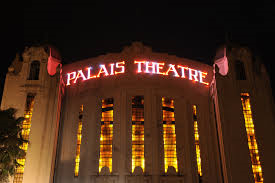
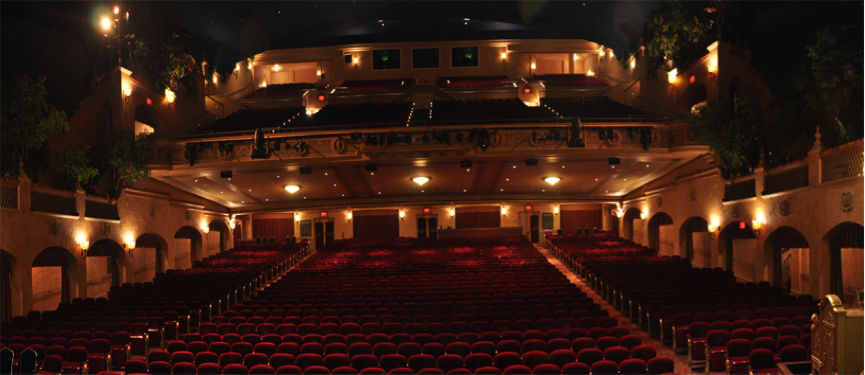
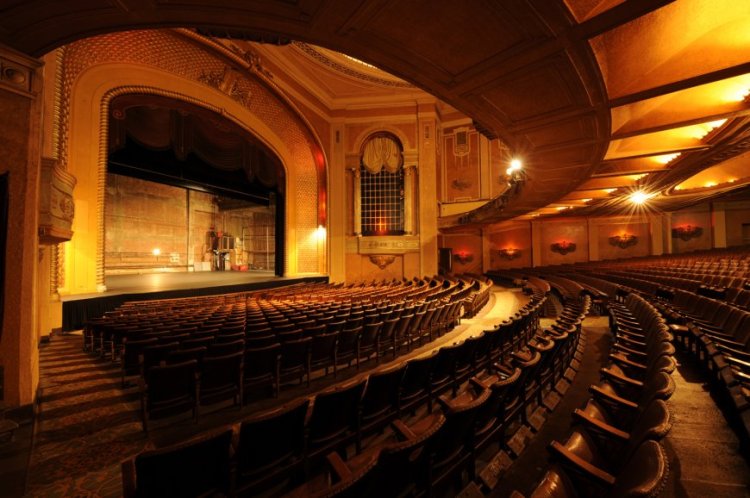
These photos are of The Palais Theatre located in the heart of St. Kilda in Melbourne. The reason why we chose this site is to illustrate the fact that although the outside of the building has had many facelifts and change of names, it still has retained many of its original features that date back to the First World War (1914).

The Palais Theatre holds a special place in the hearts of many thousands of people, with memories from events and shows. By having the Palais Theatre close to the CBD of Melbourne, it enriches the lives of those who come into its doors as it offers a gateway to new world experiences, emotions and even knowledge.


The El Paso Plaza Theatre

Photography and text by Vincent Bedjohn
Plaza-Theatre

PlazaInterior

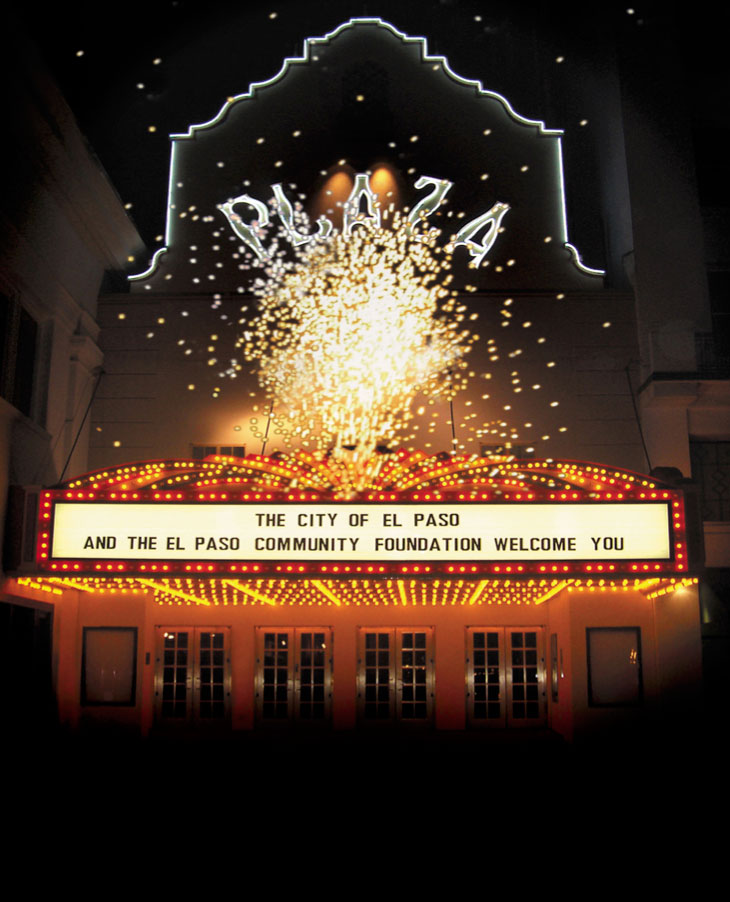
The El Paso Plaza Theatre was built during the Great Depression to entertain. From that point on it proceeded to showcase films from west Texas, southern, and northern New Mexico for 40 years. Described as having the fabled beauty of Spain and the charm of old Mexico, the Plaza Theatre was renovated in 2000 as an official project of Save America’s Treasures. The site has continued to exist because the community continues to have an interest in theatre and so provides a sense of belonging. The Plaza Theatre is listed on the National Register of Historic Places and in 2003 was declared a site of national significance.


The Melbourne Cricket Ground

Photography and text by Nathaniel Peredes
Melbourne Cricket Ground

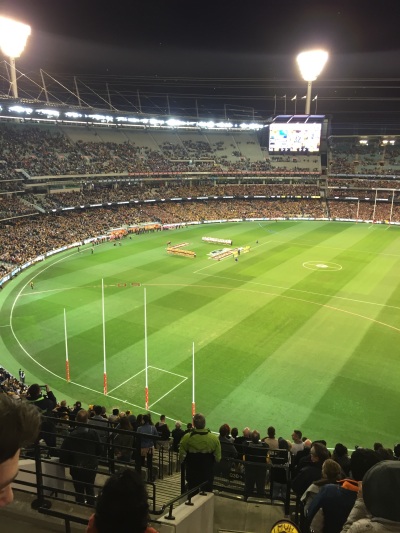
The Melbourne Cricket Ground (MCG) is our main sporting stadium. It was established in 1853, less than 20 years after the founding of Melbourne. It has been the home of Australian football since 1859, and was the birthplace of Test cricket in 1877 and one-day international cricket in 1971.

It was the main stadium for the 1956 Olympic Games and 2006 Commonwealth Games, attracts up to 100,000 fans to the annual AFL Grand Final and “the G” comes to life each Christmas at the Boxing Day Test.

The significance of this photo is that the football community is a very special one. There are sometimes problems with fans because some can be pretty rude. But when there is ever a tragedy or problem the whole footballing community comes together to support those who are suffering.


Southwest University Park

Photography and text by Javier Isaac Marquez
South West University Park

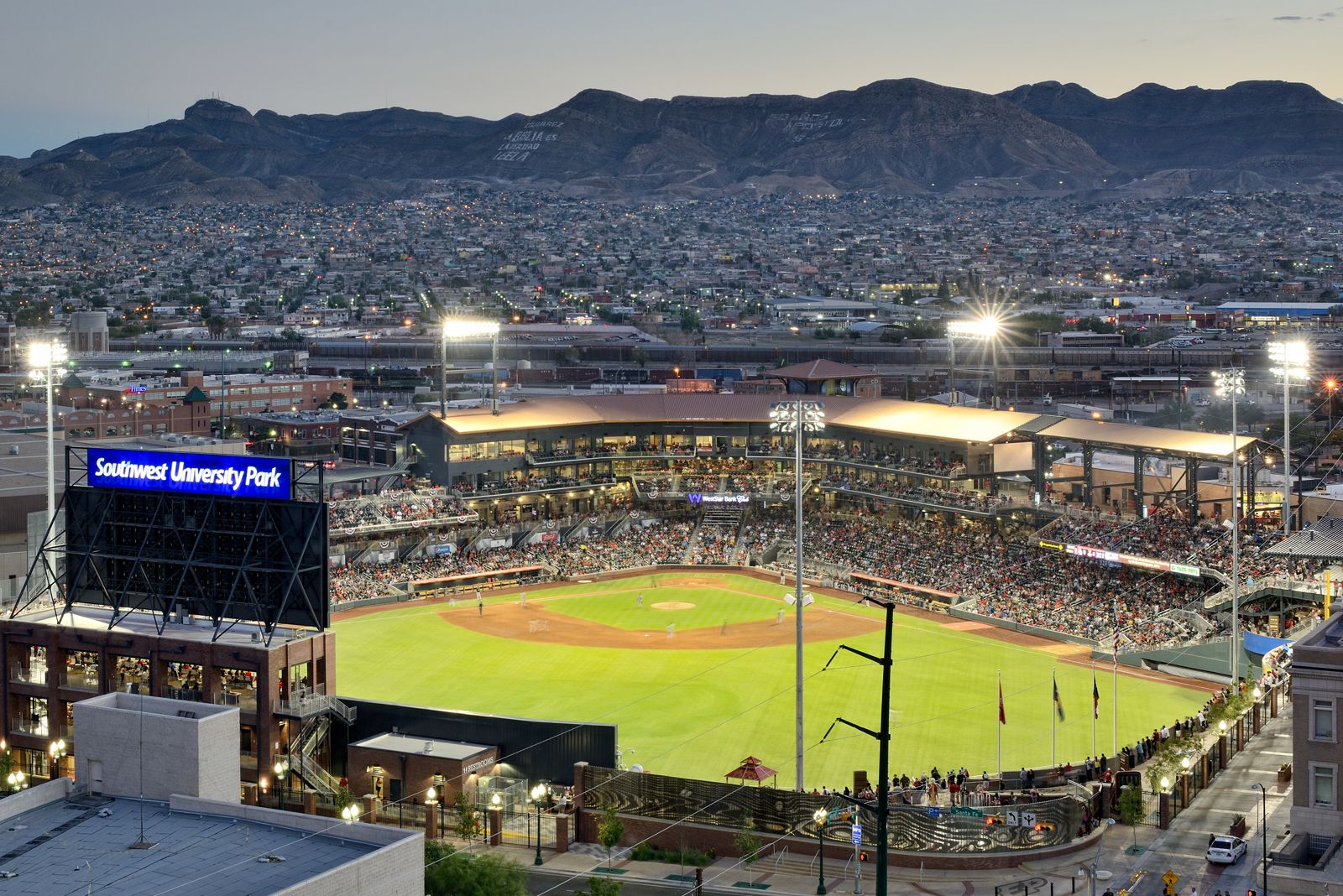
Southwest University Park—Home of El Paso’s Chihuahuas is built over El Paso’s former City Hall, which was demolished by implosion on April 14, 2013 to make way for the new stadium. The state-of-the-art ballpark was designed by Populous, which also designed Major League stadiums like PETCO Park, home of the San Diego Padres and Yankee Stadium.

The significance of this photo is attracting community to the downtown area of El Paso.

And yes…our mascot is a Chihuahua.


La Mujer Obrera Community

Photography and text by Ruben Garcia
Mayapan

Mayapan2

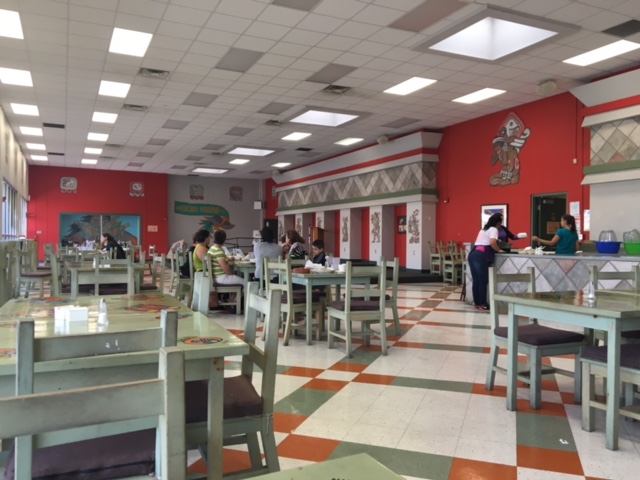
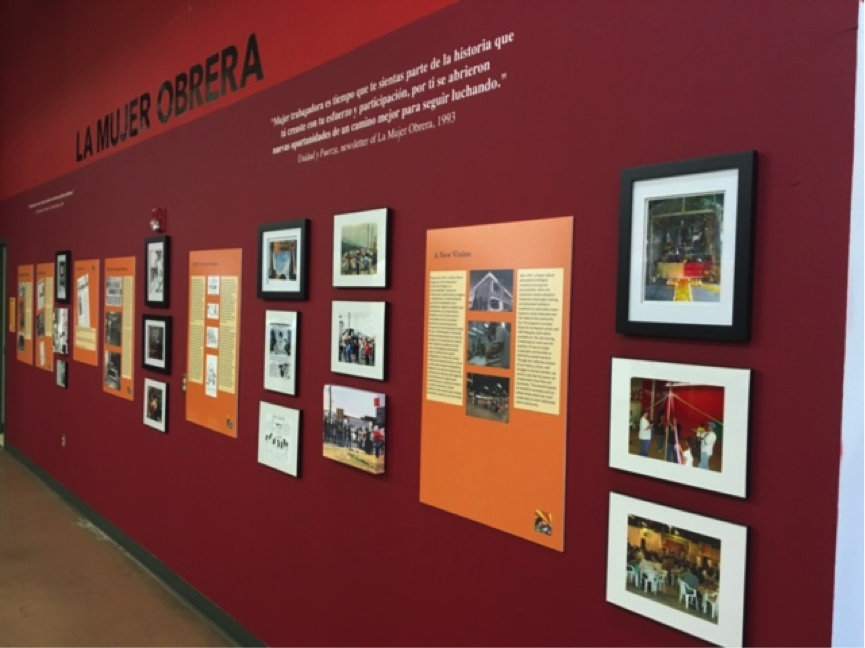
The photos above represent the Mayapan Café that houses the Museo Urbano and the Mujer Obrera (Worker Woman) organization among other things; it is located in Central El Paso, Texas.  The café includes a restaurant, store, museum, daycare and farmer’s market all run by the local community.

There are many partitions with exhibits on them dedicated to the woman workers that play a vital role in this community.

This photograph reflects the communities’ active participation in investing in them by providing a location where the community can learn about itself and interact with fellow citizens to form stronger bonds. The organization’s main goal is community involvement in all aspects, from community organizing to establishing sustainable social initiatives.


Flinders Street Station

Photography and text by Hayley Carroll and Mary Biffa
FlindersStreetStation

FlindersStreetExterior

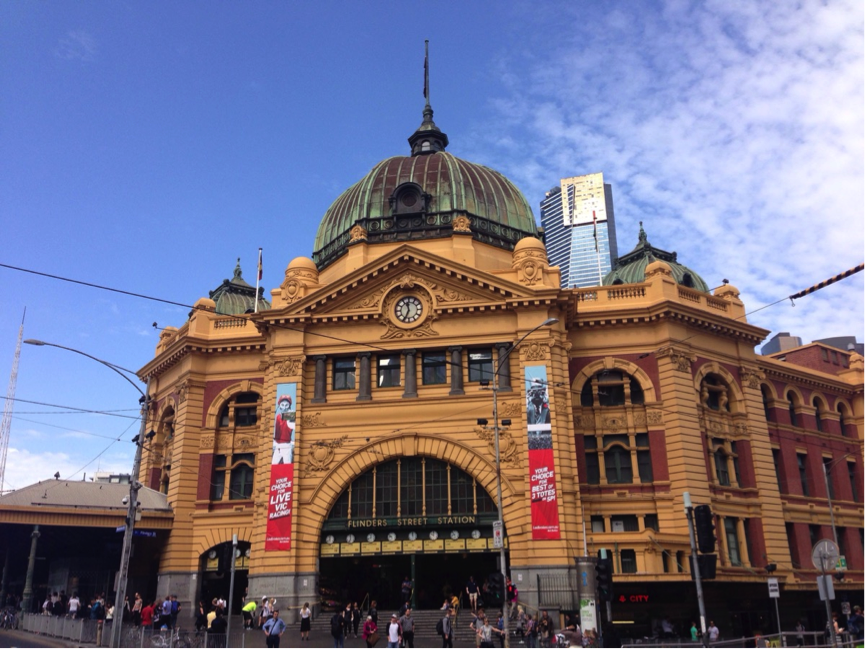
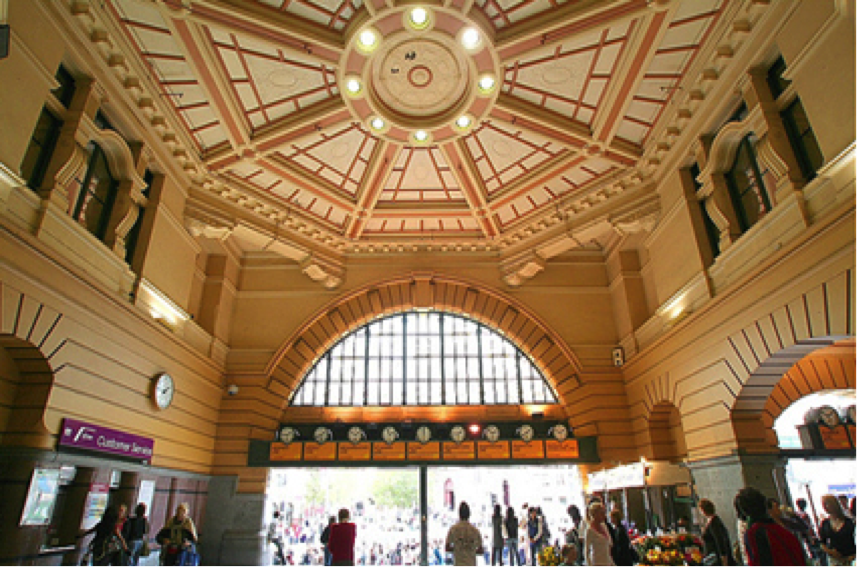
Flinders Street Station in 1854 used to be a collection of weatherboard sheds and was known as the ‘Melbourne Terminus’. It was the first steam rail station in Australia. A lot of people came to visit, to see the first steam railway. In 1889 the railway commissioner organised a competition to see who could design the best station. The first prize was 500 pounds. Work started in 1901 and finished around 1910 and cost approximately 514,000 pounds. It was since then used as a place to catch up and greet friends within Melbourne, hence the old Melbourne catch phrase: “Meet me under the clocks”, referring to the clocks above the steps.


The La Hacienda Café

Photography and text by Diana Lares
Hacienda

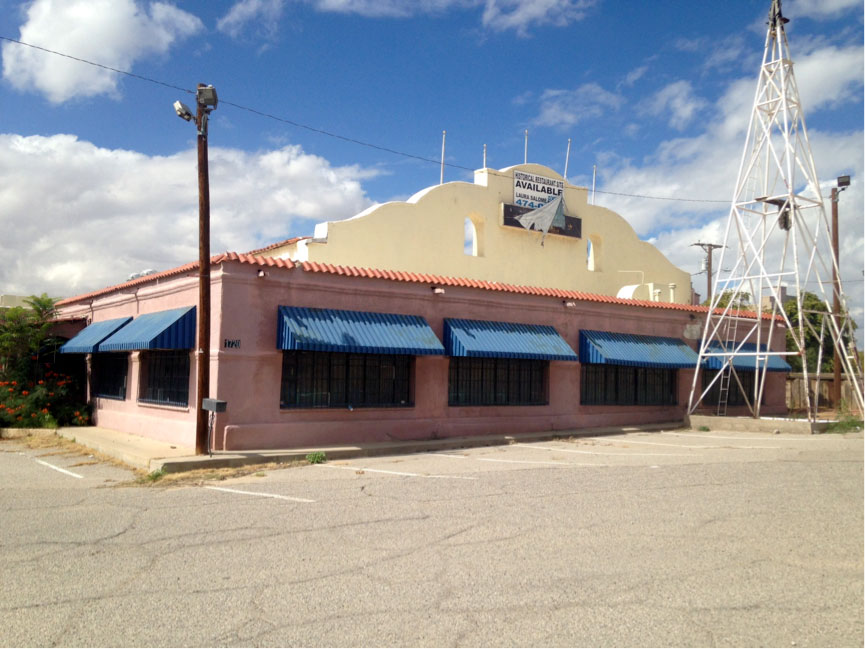
The Hacienda café, one of the oldest buildings in El Paso, marks the spot where Don Juan de Onate first crossed the Rio Grande, on May 4, 1598. The location used to house a stagecoach stop and a gristmill, owned by Simeon Hart.

The building, which became La Hacienda, was once the house of the Hart family. Since La Hacienda is located close to the UTEP campus, it was once a popular place for students to meet, eat and study. It used to have the student-made nickname of “union” until the student union opened on campus on 1949.


University of Texas at El Paso

Photography and text by Marissa Porras
UTEP

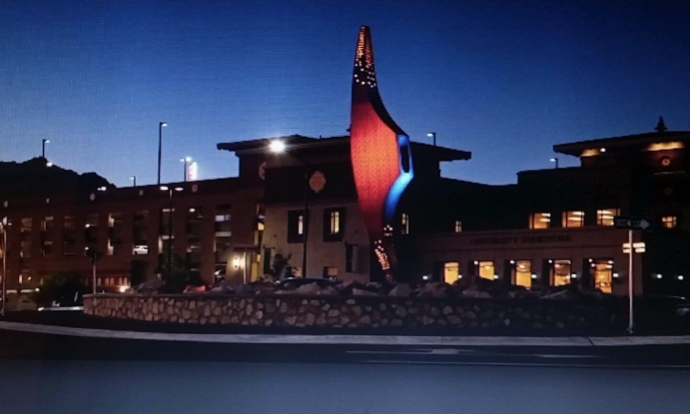
This picture represents both past and present communities. It first started as the School of Mines and Metallurgy in September of 1914, was later renamed Texas Western College in 1949 and was finally renamed the University of Texas at El Paso in 1967. Our school mascot is “The Miners” so it shows how it’s been 100 years since the school first opened and the original name has generally stayed with the University. The significance of this picture is that we’re a community who generally wants to improve and have a better future which is why we are going to school.


Melbourne Street Art

Photography and text by Michelle Lenehan

Melbourne

The City of Melbourne has designated a few streets within the CBD where you can legally graffiti and show your art. Some youth love the idea and we have also heard that it takes away the so called “thrill” for some. The significance of this photo is that the community saw that youth and others wanted spaces to show case their art and the community finally listened and now we have a few streets for youth to go experiment.
 

A Note from the President

Hi Everyone,

I just wanted to thank all those who were a part of the Public Pedagogies Institute conference: Turning Learning Inside Out—Learning and Teaching Beyond the Classroom. We had around 80 people attend on both days and the feedback I received from participants was incredibly positive. What amazed the organising committee was who the conference theme spoke to.

I think the reach of the conference theme was reflected in the diversity of presentations. I observed many connections being made over coffee and at lunch and I hope these keep growing. If you didn’t present at this year’s conference, I hope you will consider doing so next year.

I would like to thank our international keynote speaker Jennifer Sandlin from Arizona State University. I would also like to thank our other keynote speaker Jane Smith the Director of M.A.D.E. We recorded each of the keynotes and an edited version of these presentations will be available on the website early next year.

The outcomes from the conference include the formation of three sub committees promoting the Institute through project work, setting up a journal, and of course a committee to work on next year’s conference. For those of you who put your name down to work in these sub committees we will be in touch in the New Year. The Public Pedagogies Institute constitution was also ratified.

Below is a comment we received in response to the conference that we think captures the experience well:

It was wonderful to be part of the conversation. It was great to have such a range of people around the table and engaged in such enthusiastic  dialogue.  It’s funny that silence that exists around our work, yet it  is a very sophisticated and empowering practice, happening everywhere!

My colleague commented that the conference was one of the best PD’s she has been to. So congratulations to the organising group. We’d certainly like to keep being involved. 

Public Pedagogies Institute meets monthly at VU Metro West,
138 Nicholson Street, Footscray. Our first meeting for 2016 will be the 8th of February at 10.00 – 11.30am.

Karen Charman

President, Public Pedagogies Institute


CourtyardBW

Permesso

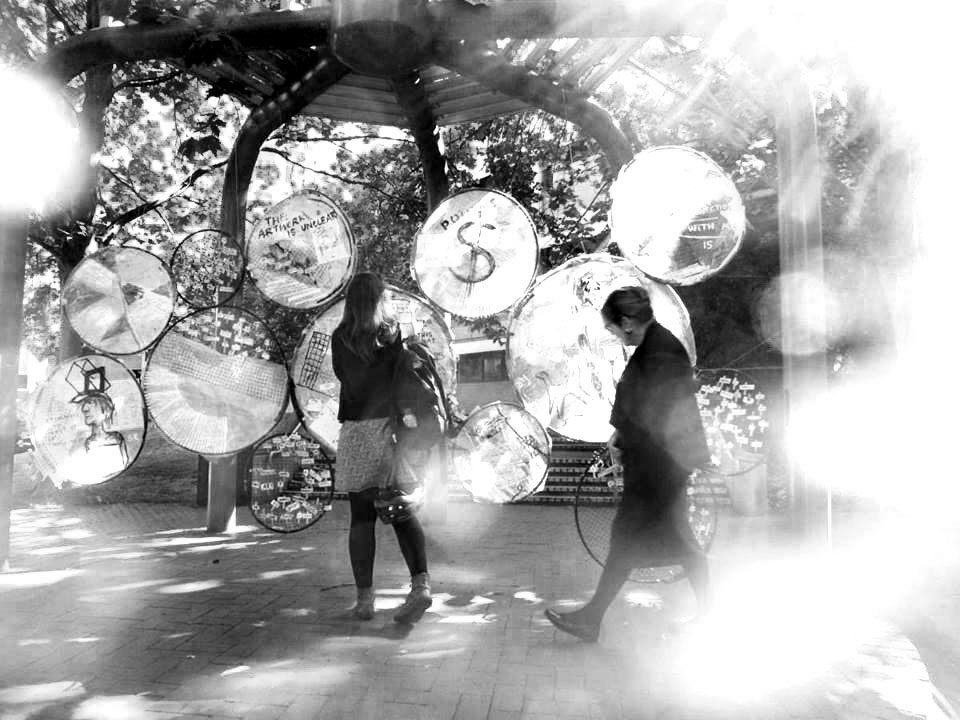
The Public Pedagogies Institute conference this year included a number of performances and public artworks.

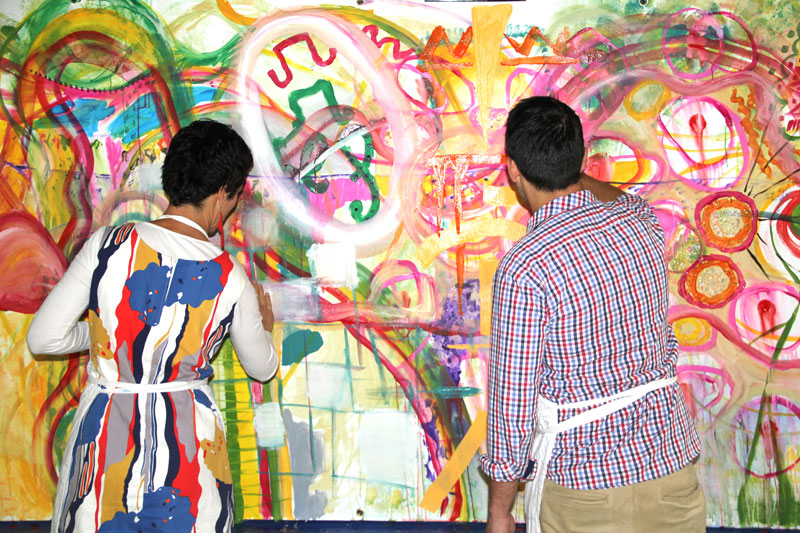
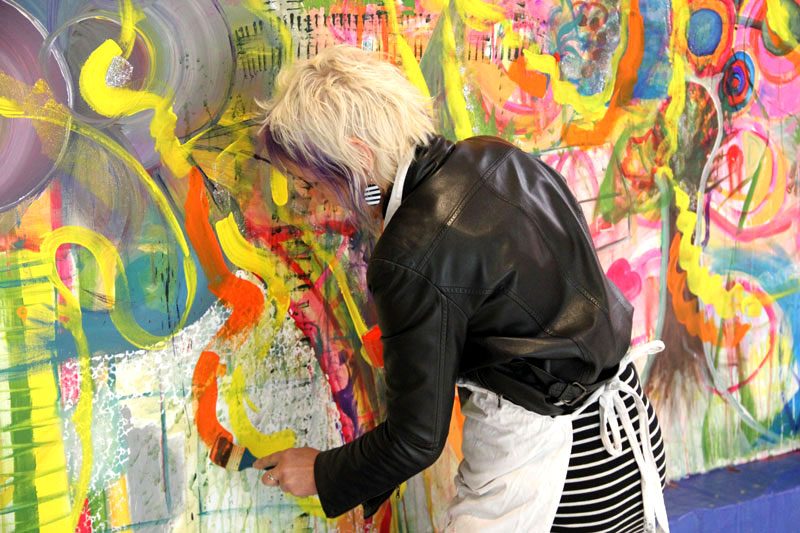
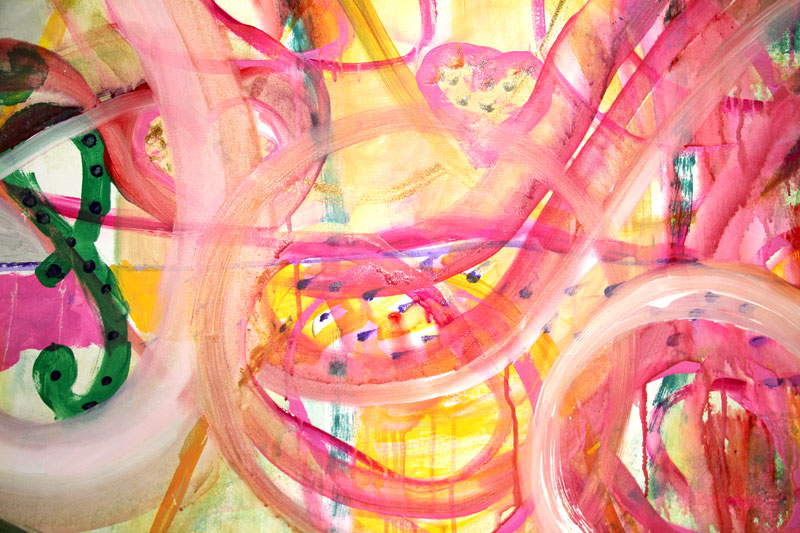
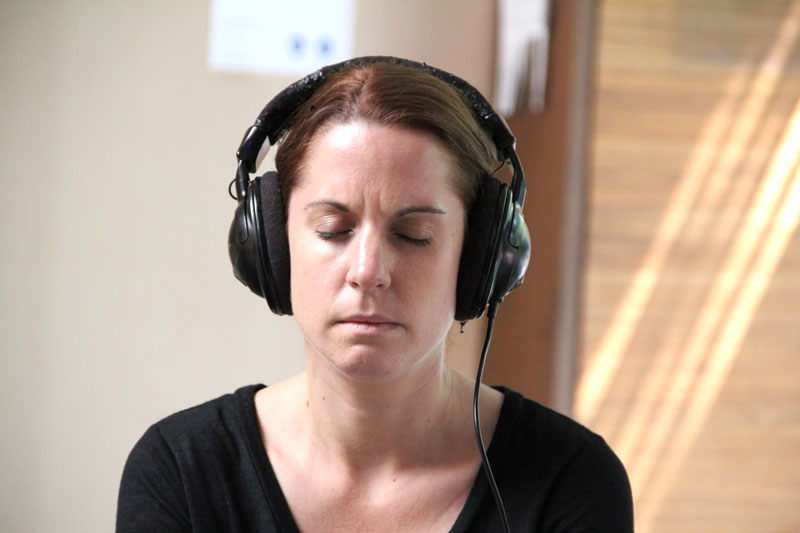
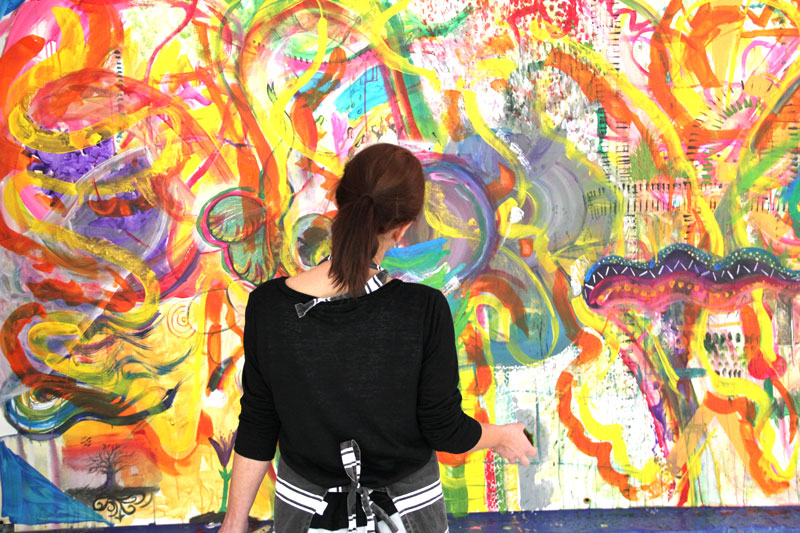
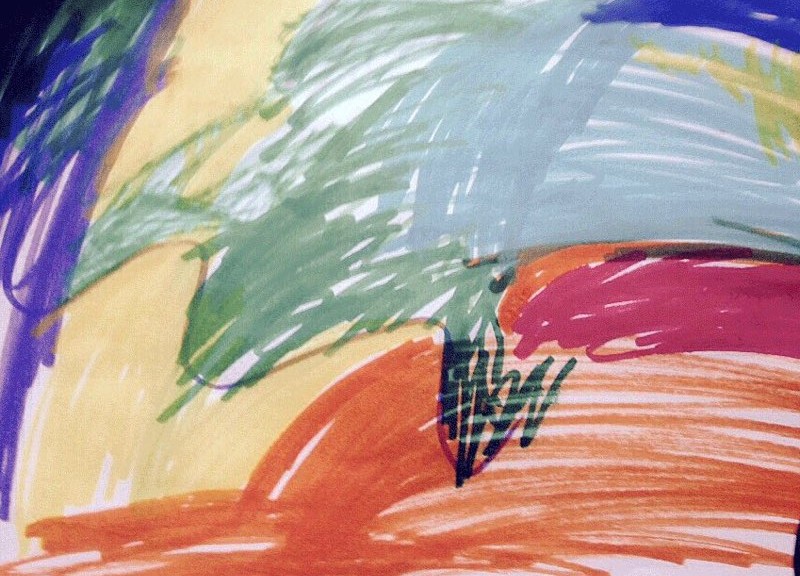
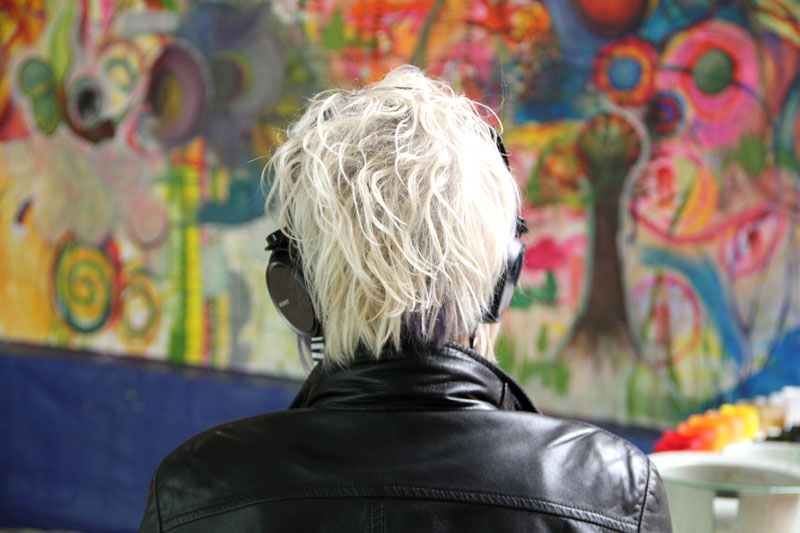
PERMESSO invited participants to experience painting intuitively. PERMESSO (Italian for permission) puts forth the notion that we are all innately creative but that sometimes the connection to this place has been interrupted. Facilitators Gisela Boetker and Rebecca Knaggs offered  a very gentle opportunity to reconnect by simply entering the process. After a brief meditation they invited participants to choose a brush and paint, approach the canvas and see what comes …

A collection of images from PERMESSO appear below –
All photographs by Todd Johnson.

Click to view larger images and browse gallery:

Gallery Sunshine Everywhere

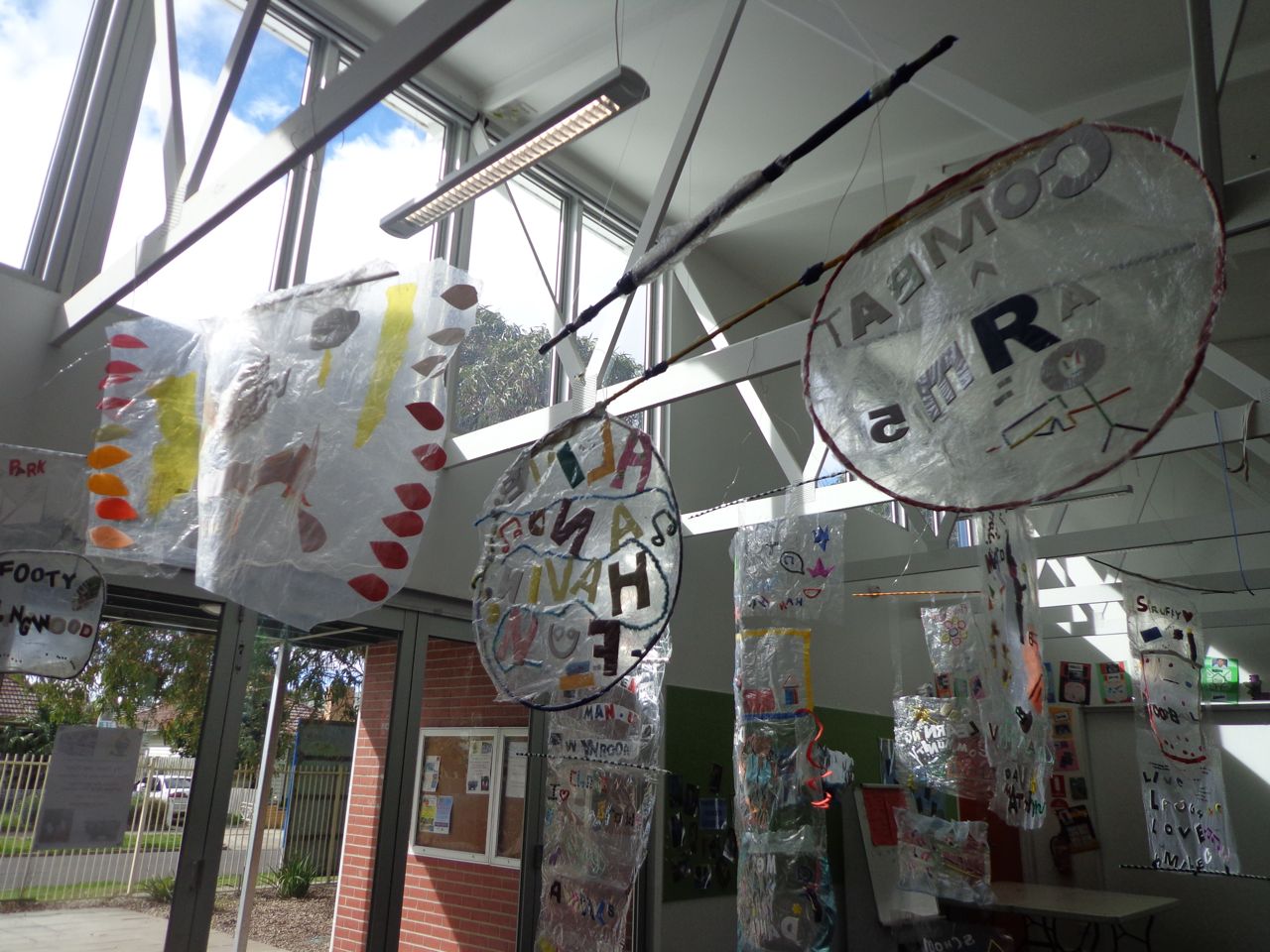
Gallery Sunshine Everywhere is a project that promotes engagement with art-making and art education in schools and the broader community in the Western suburbs of Melbourne.

The project’s director, Maureen Ryan, is a Professor in the College of Education at Victoria University and an active member of the Public Pedagogies Institute. Maureen is committed to collaborative and community focussed teaching and research.

Dozens of schools and hundreds of students have been involved in the many exhibitions and other activities Gallery Sunshine Everywhere has conducted since it was established in 2007. Most of the exhibitions have been held at the Granary Cafe in Sunshine . The exhibitions mainly feature the work of pre-primary, primary and secondary school students and sometimes, local artists.

For more information contact  Maureen Ryan.

Kelabit Community Museum Development

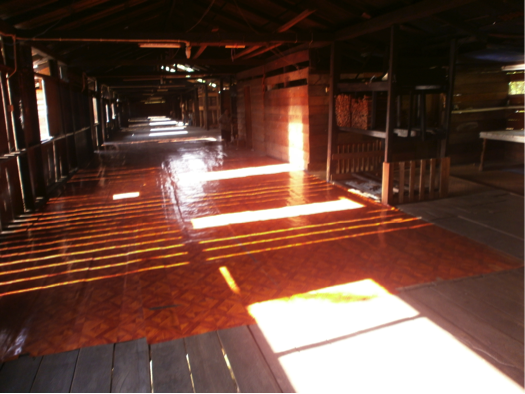
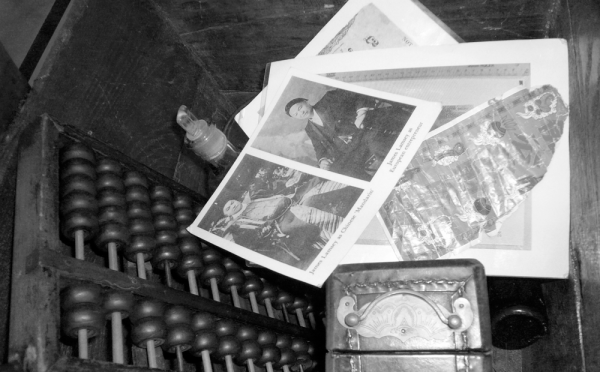
PPI member Dr Meghan Kelly is a senior lecturer at Deakin University in Visual Communication Design whose current interests investigate the intersection of design, museums and public pedagogies. One of the projects she has been involved in is the development of a community museum in the Kelabit Highlands of Borneo, Malaysia.

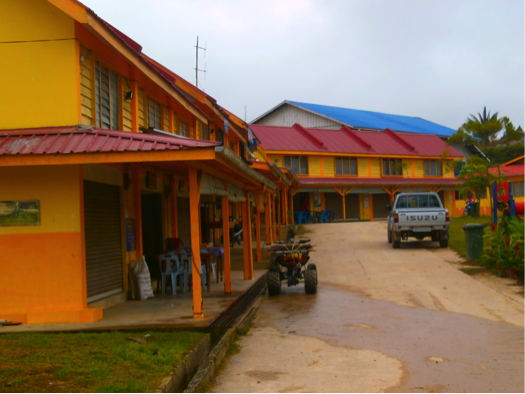
The Kelabit Community Museum Development, located in Bario, in the Highlands of Borneo, was initiated by the Kelabit people’s strong sense of need to preserve their cultural heritage. This understanding was bought on by an awakening of how their traditional tangible and intangible knowledge is being lost in the transformation of the Kelabit people by progress. The aim of the Kelabit Community Museum is to provide the opportunity for the Kelabits to assert their authority over the representation and commodification of heritage and associated knowledge of their region.

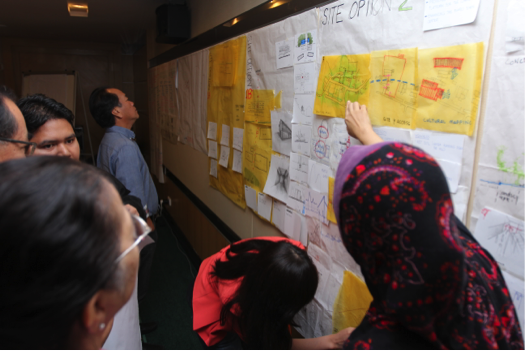
Since 2010, Deakin University has been in consultation with the Kelabit community to assist in the development of this project. A deepening understanding of the museum requirements has emerged through the consultation process. Currently under investigation are the curatorial requirements of the museum, governance and management of the resources, and creation of a strong infrastructure to support the development. In addition to this, there is a focus on the creation of concepts for the built environment and the visual communication design strategies to brand the museum and represent the projected identity of the community.

pic3

pic1

Affective Spaces – the contribution of memory to place

In a research paper delivered at the 2014 Public Pedagogies Day at Victoria University, PPI founding member Dr. Karen Charman examines through a psychoanalytic frame a Memory Space Project (2012) set up for the expressed purpose of evoking memories.

As Charman explains:

As an extension of my interest in learning that occurs outside of formal institutions, such as schools and universities, I have developed a conceptual practice called  A Memory Space.
I have undertaken this approach in Sunshine and Fawkner.  A Memory Space is a physical location in each of these respective suburbs where visitors to the space are encouraged to share a memory. Each of the iterations of this concept has resulted in curating an exhibition that reflects these memories. I am currently writing up these projects and theorizing what is occurring when someone shares a memory.

Psychoanalysis can account for the emergent unstructured reservoirs and contours of memory. Occurring in a memory space is a re-inscribing of the selves that continue to inhabit places. Further, this paper suggests that a psychoanalytic attentiveness to space, psychic interiority and the relationship to the outside world can form a spatial and temporal awareness of place.

Click below to download the 2014 Public Pedagogies Day program:

Public Pedagogies Day 2014

Exquisite Me

Public Pedagogies Institute member Debbie Qadri is involved in a number of community-based art projects.

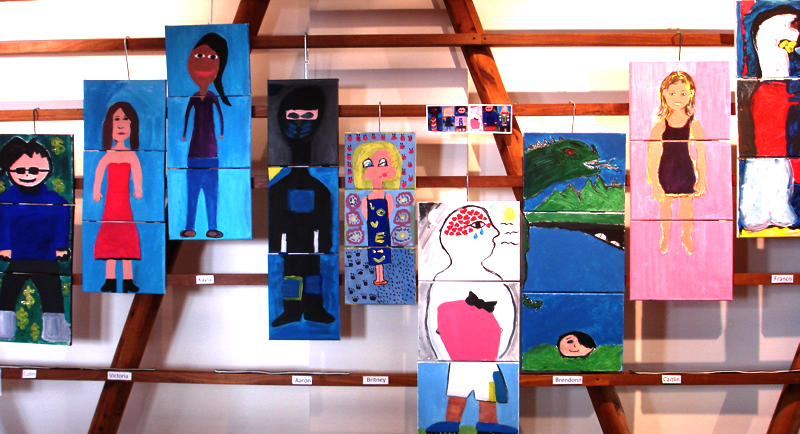
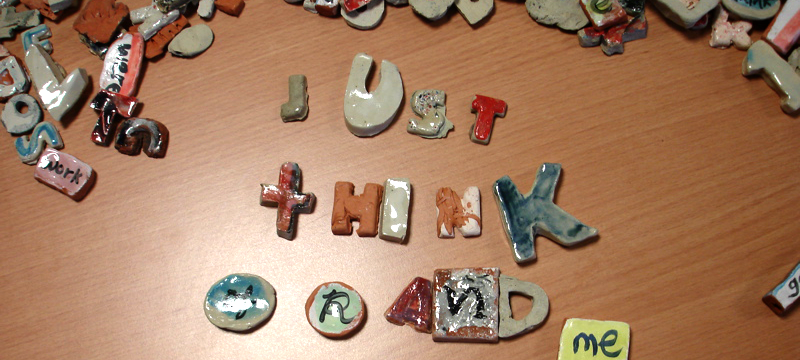
Exquisite Me is an arts project she developed that explores the collective experiences, stories and representations of identities of young people in Sunshine and Brimbank. These experiences, stories and representations are explored during various art and writing workshops run by  community artist Debbie Qadri. The artwork and writing is displayed as a large collaborative work, in a number of venues in Sunshine, including Gallery Sunshine Everywhere. Some of the artwork and writing will be published in a zine format and also made into an artist’s book for the Sunshine Library. Workshops are held at schools, community groups and at Council facilities such as the Sunshine Library.

The project thanks the support and involvement of AMES (Adult Migrant Education Services), Marian College, Ardeer Primary School, Sunshine College, Sunshine Library and  Gallery Sunshine Everywhere.

The Exquisite Me Project and Gallery Sunshine Everywhere kindly acknowledges the support of the Brimbank City Council Community Grants Program.

For more information visit the project’s website.

DSC00257copy

DSC02381

DSC00224copy

DSC01525

(Images courtesy Debbie Qadri)

Learning and Teaching in Public Spaces

This is a national collaborative exchange project between universities and museums to engage post-secondary Humanities and Education students in experiential learning and citizenship 2011 – 2013. The project was initiated by PPI member Dr. Karen Charman.

This ambitious project partnered with a number of universities and museums/libraries across Victoria, NSW and Queensland.

Each site is working with a curriculum designed to embed post-secondary students in a museum and or library space.

The exciting challenge of this curriculum model is the capacity for adaptation from tertiary preparation programs at Victoria University and Deakin University to pre-service teacher education courses at Queensland University of Technology (QUT) and Charles Sturt University (CSU).

For more information visit the project’s website.

museum_004